This week, Phoenix, Mesa, Chandler, Gilbert, Tempe and many surrounding areas were hit by severe hail. Severe hail events, defined by the National Oceanic and Atmospheric Administration (NOAA) as those with hail 1 inch or larger, can cause costly, widespread damage to homes, including your air conditioning (AC) unit. Even small hail less than an inch in diameter can damage an AC system from the inside.
Knowing what to look for after a storm can help you identify if your AC unit has been damaged by a hailstorm. This article will identify some of our most common questions after a hailstorm.
How Do Phoenix, Arizona Hailstorms Affect AC Units?
Because AC units are typically installed outside, they face many weather conditions, including blazing heat, and are built to withstand severe weather. However, hailstorms pose a threat. The AC unit’s location and its delicate components make it vulnerable to hail damage. Many Phoenix homes have AC units on the roof, which can make them even more vulnerable during a hailstorm.
How Soon After the Storm Should I Inspect My AC Unit?
It’s best to wait to turn on your unit until the storm has passed and you have done a visual and sensory check for obvious signs of damage.
How Can I Spot Hail Damage to an AC Unit in Phoenix?
While some AC unit damage in the Phoenix Valley is easy to spot, hidden damage, such as flattened coil fins, electrical damage and shifted or loose parts, may not be obvious.
Easy-to-spot signs of hail damage to an AC unit are visible. Look for damage that could interfere with the fan blade. Hail can hit the fan blade and throw it out of balance, stressing the motor bearings. Bent guards, loose panels, a shifted cabinet (the metal around the unit) and fasteners that are dented, cracked or broken by a hailstorm are signs you should seek professional help.
Do not run your AC unit if it is making noise or the fan can strike other parts—document visible changes by taking photos or video. Damage can affect appearance and make the unit work harder or fail to function.
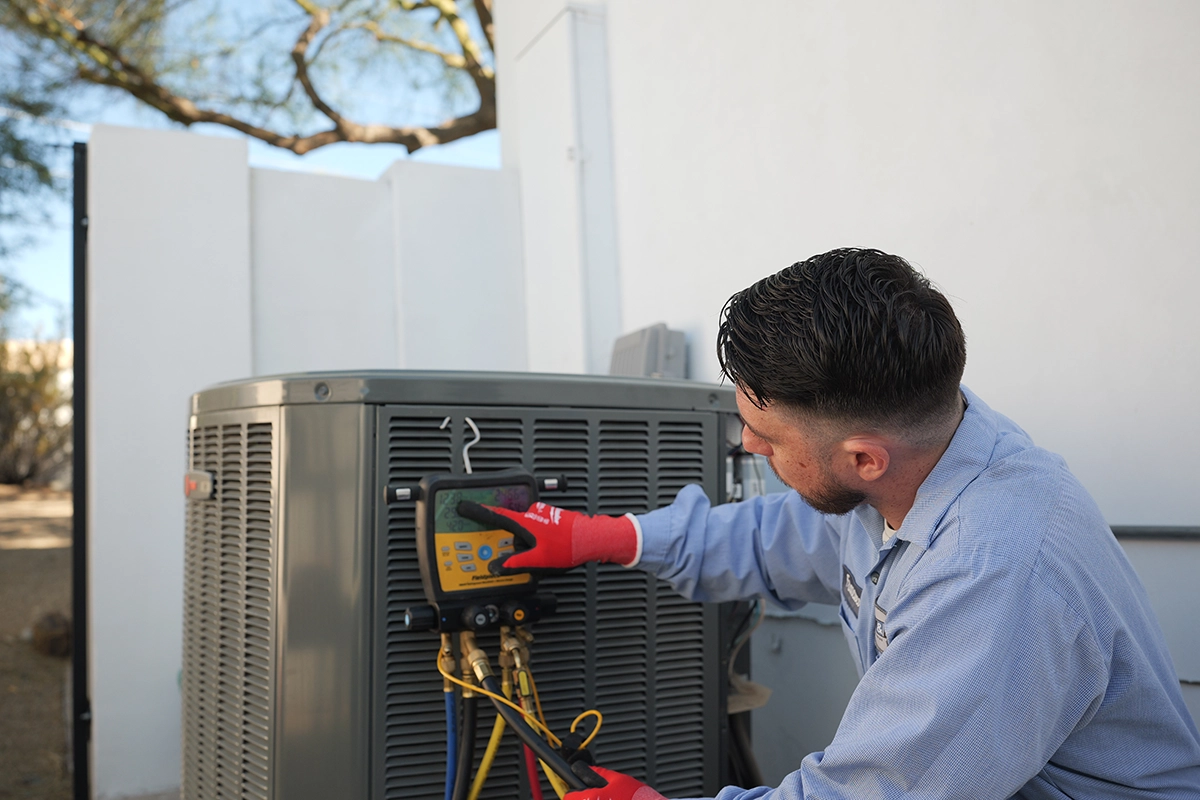
Other than visible damage, hail can damage an air conditioner’s fins. Thousands of metal fins run along the outside of the unit. The fins are delicate and let air flow into the condenser coil while keeping debris out. A few flattened fins might not affect the AC unit’s performance, but if more than a few are flattened or if whole sections are flattened, the unit will struggle, work harder and increase your electric bills.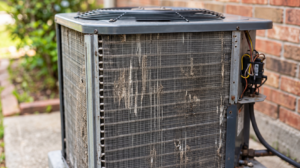
Avoid downed lines, damaged disconnects and exposed wiring. Keep children and pets away from debris around the unit. If you smell burning, the unit’s fans are wobbling, or the unit is making noise, turn the system off and call a professional for help.
How Do I Identify Hail Damage to an Air Conditioning Unit on My Roof?
While it might seem odd to check your mailbox to investigate how bad hail damage could be on your roof’s AC unit, most mailboxes are metal, and dimples or dents can indicate damage elsewhere. You can also check your roof. If you see roof granules in the gutter, shifted shingles or broken shingles, that can also indicate AC damage. You typically don’t need to walk on the roof, and often you can spot damage from the ground by looking at the roofline. If your AC unit is on a roof, it’s best to seek professional help.
Can I Straighten Bent AC Unit Fins?
Do not use a brush, pressure washer, screwdriver or homemade tools to straighten fins. These items can cause even more damage to the coil tubes and electrical components could still be energized.
Can Small Hailstones Damage My AC Unit?
If the hail is small or breaks into fine pieces after hitting the unit, small chunks of ice may get through the fan blades, denting them and damaging internal AC components.
Why Physical Damage to an AC Unit is Not the Only Worry After a Hailstorm
Hidden damage can lurk inside the unit after a hailstorm. Additionally, damage that looks only cosmetic can be a larger issue and cause serious performance problems. Pay attention to your cooling cycles and note any anomalies. After a hailstorm, it’s recommended to have a professional inspect your unit.
What Do I Do if I Notice Damage to My AC Unit from a Hailstorm?
While some damage, like a dented vent cap, might not require action, many AC unit parts are hard to see without a professional who knows where damage can occur. Without an objective, licensed technician inspecting your unit, you could miss damage that could worsen as it’s used.
Hiring a local Phoenix-area technician to inspect the unit can give you peace of mind by helping you determine whether the damage is cosmetic or affects the unit’s performance and safety.
Will My Homeowners Insurance Cover Hail Damage to an AC Unit?
Coverage for hail damage to an AC Unit largely depends on the policy, deductible, cause, documentation and the insurer’s decision. Contact your insurer for more information.
Insurance companies may try to classify a bent fin as cosmetic and cover only a coil comb or paint. However, that is typically not the case. The fins exist for a reason, as they allow air to flow through your system. A system with damaged fins will run hotter, lose capacity, leak later and may void the warranty. Call a professional to document the unit’s condition. A professional with industry knowledge can evaluate the scope of damage and provide an assessment and recommendations.
Should I Cover My AC Unit During or Before a Hailstorm?
Permanent or sold covers over an AC unit are never advised. These covers can trap moisture, block airflow and cause a myriad of other issues.
Storm AC Inspections in Phoenix, Scottsdale, Mesa, Gilbert, Tempe and Surrounding Area
Day & Night can help you evaluate any storm-related HVAC (Heating, Ventilation and Air Conditioning) concerns. For over 40 years, Phoenix Valley homeowners have entrusted our licensed local technicians with their home comfort needs. With more than 9,400 five-star reviews, we have earned a reputation in the valley for delivering exceptional service. If a storm damages your AC unit, we’re here to help with professional AC repair or AC replacement, backed by expert craftsmanship.
Schedule a Storm-Related AC Inspection
Scheduling inspections with Day & Night is easy. You can book online 24 hours a day, call us 24/7 or contact us.